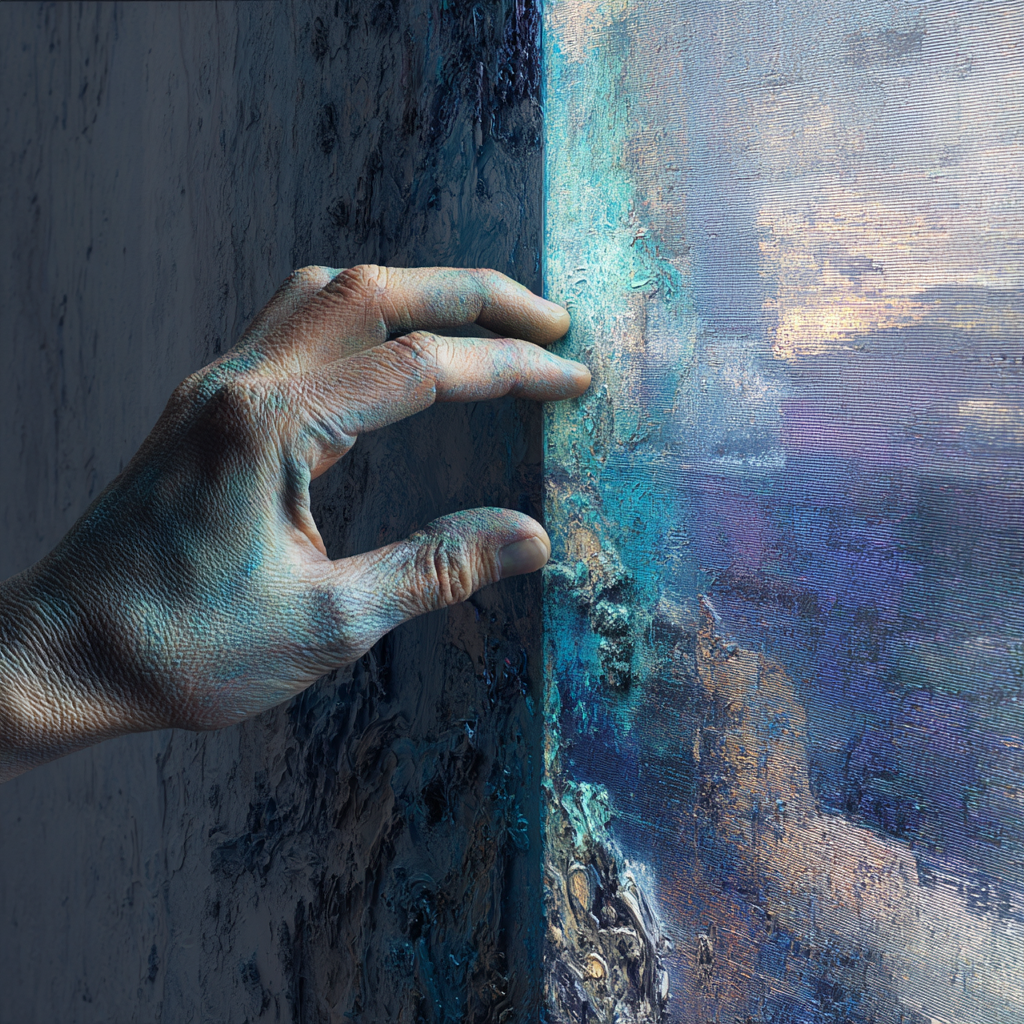
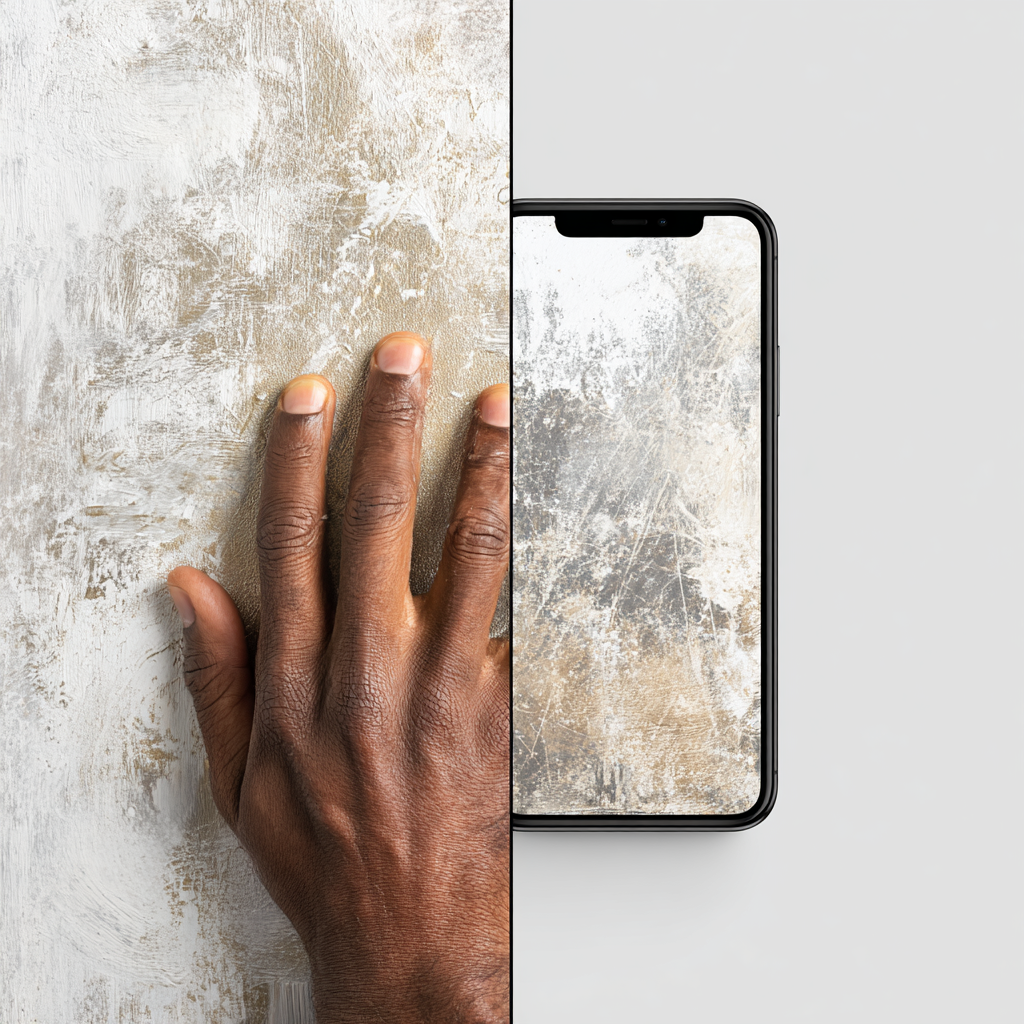
The ToolThe paintbrush stands between physical gesture and digital reproduction.
Drftless is the public exhibition and evidence space for Drft Literacy® — The User-Facing AI Verification Layer.
AI can produce an answer that looks right while quietly changing what the human actually asked for. Drft Literacy® helps make that change visible by examining what happens between human instruction and AI output — where meaning, identity, culture, voice, context or intent can be altered while the system still appears to be working correctly.
You can also test an output with the live checkers or open the Evidence Hub to see the research record.
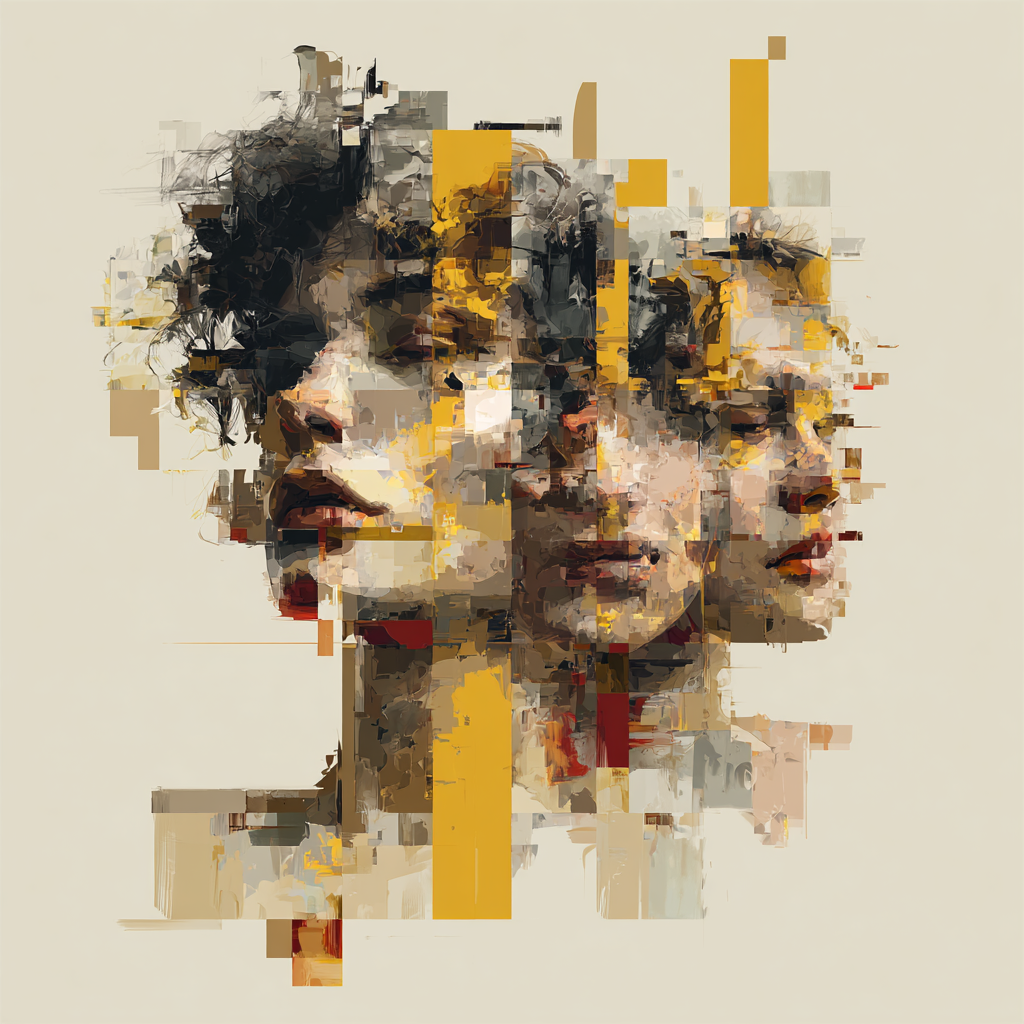
Drftless holds together synthetic humans, identity systems, the North-East character sequence, cultural mutation, symbolic Britishness, and the visual investigations that became Drft Literacy.
Drft Literacy® examines what happens between the human instruction and the AI output. It helps people notice when meaning, identity, instruction, voice, culture, context or intent has changed while the output still appears acceptable.
The core question is simple: Did the AI preserve what the human actually meant?
Fact-checking asks whether information is correct. AI safety may ask whether an output is harmful. Compliance may ask whether a system followed policy.
Drft Literacy® asks something different: did the AI preserve the human instruction, meaning and context? A response can be factual, safe and polished — and still not be what the user asked for.
Identity Drft. Cultural Drft. Narrative Drft. Style Drft. Polishing Drft. Instruction Drft. Six ways an AI output can move away from what the user gave or asked for while still appearing polished enough to pass.
Drft Literacy sits across research, education, creative practice, and policy. It is concerned with prompt integrity — whether a system returns what was actually asked for, or a polished substitute shaped by training bias. The framework has been identified as relevant to current AI governance questions, including EU AI Act Articles 4 and 14.

The book that documents the origin of Drft Literacy through a sustained personal investigation into identity drft across AI-generated characters. This is the point where lived experience became evidence, and evidence became framework.
A record of what happened when the same character could no longer be reliably brought back. Not because the prompt changed, but because the system kept deciding something else was acceptable.
These early works marked the point where the relationship between artist, tool, surface and machine began to shift. Hands, paint, screens and devices appear repeatedly, documenting the moment physical creativity meets algorithmic generation. This is where experimentation turned into inquiry.
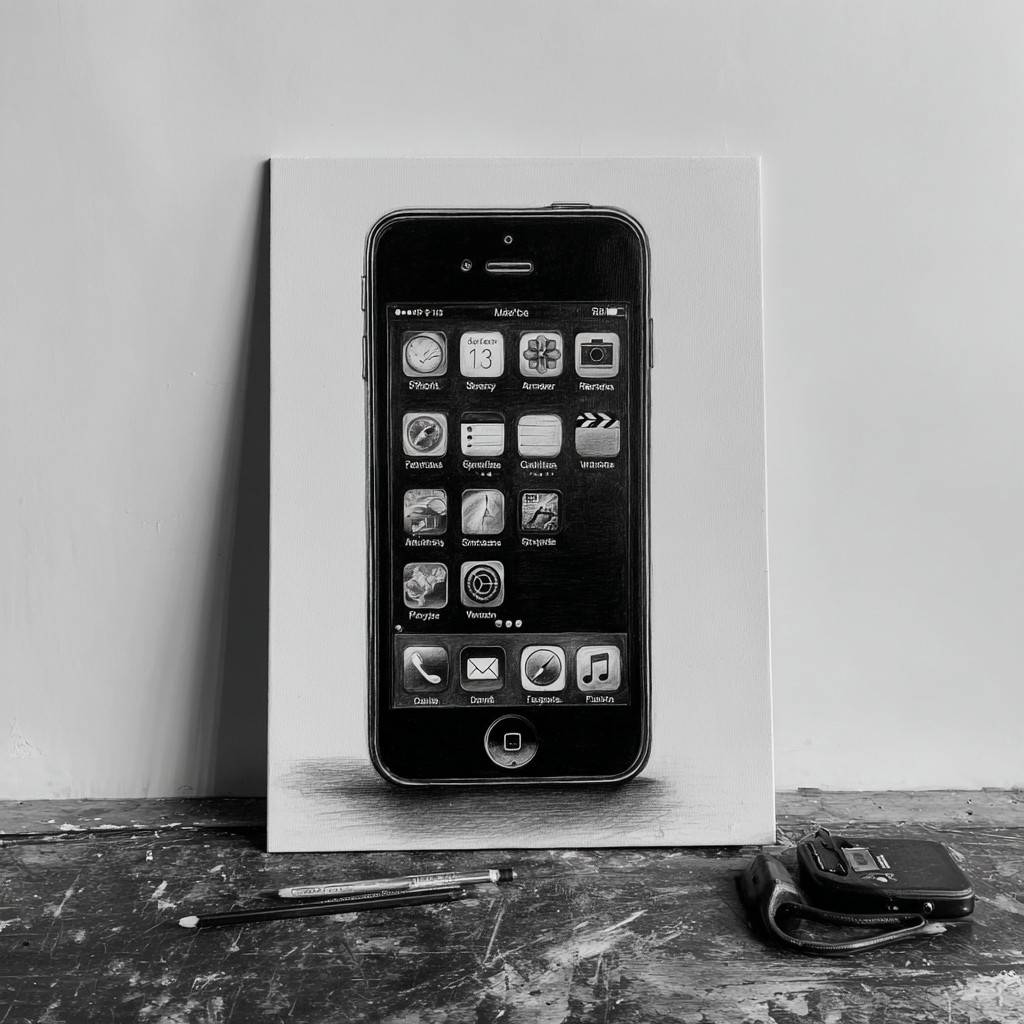
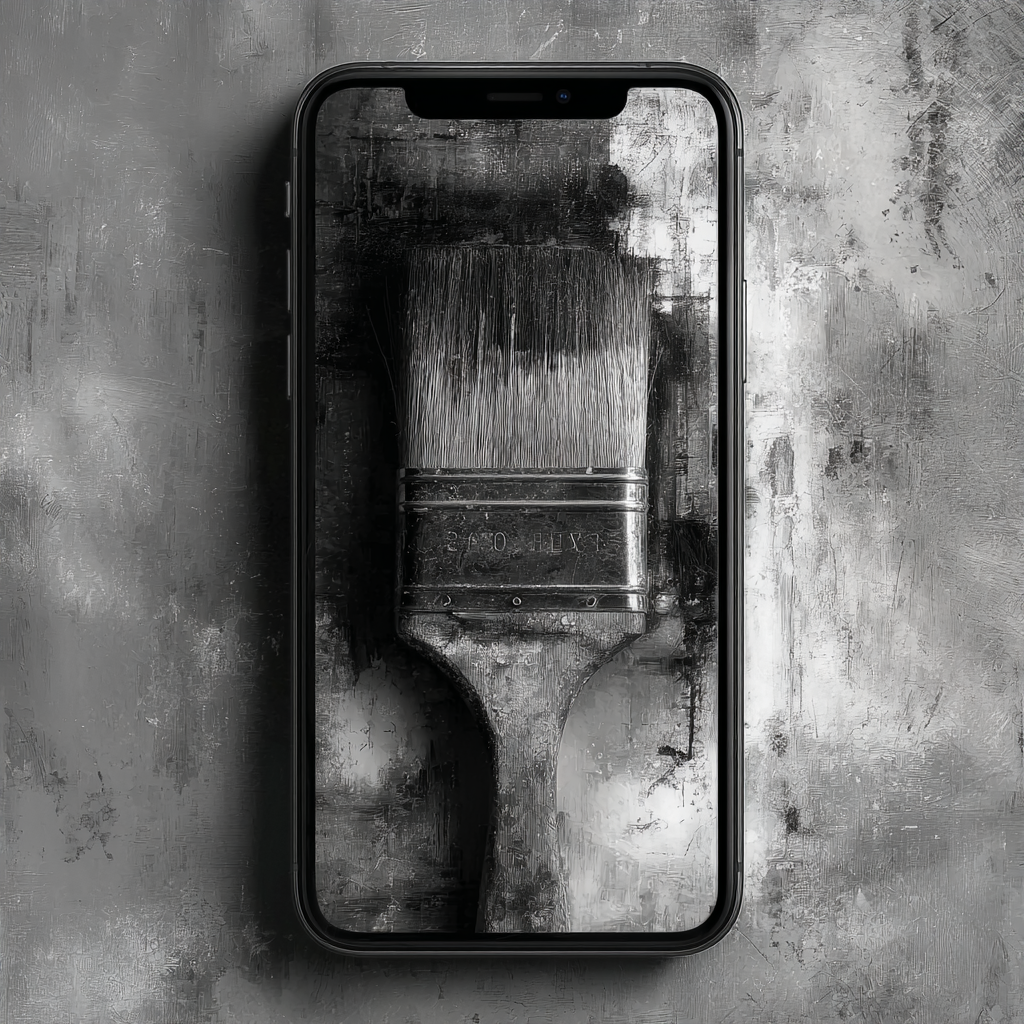
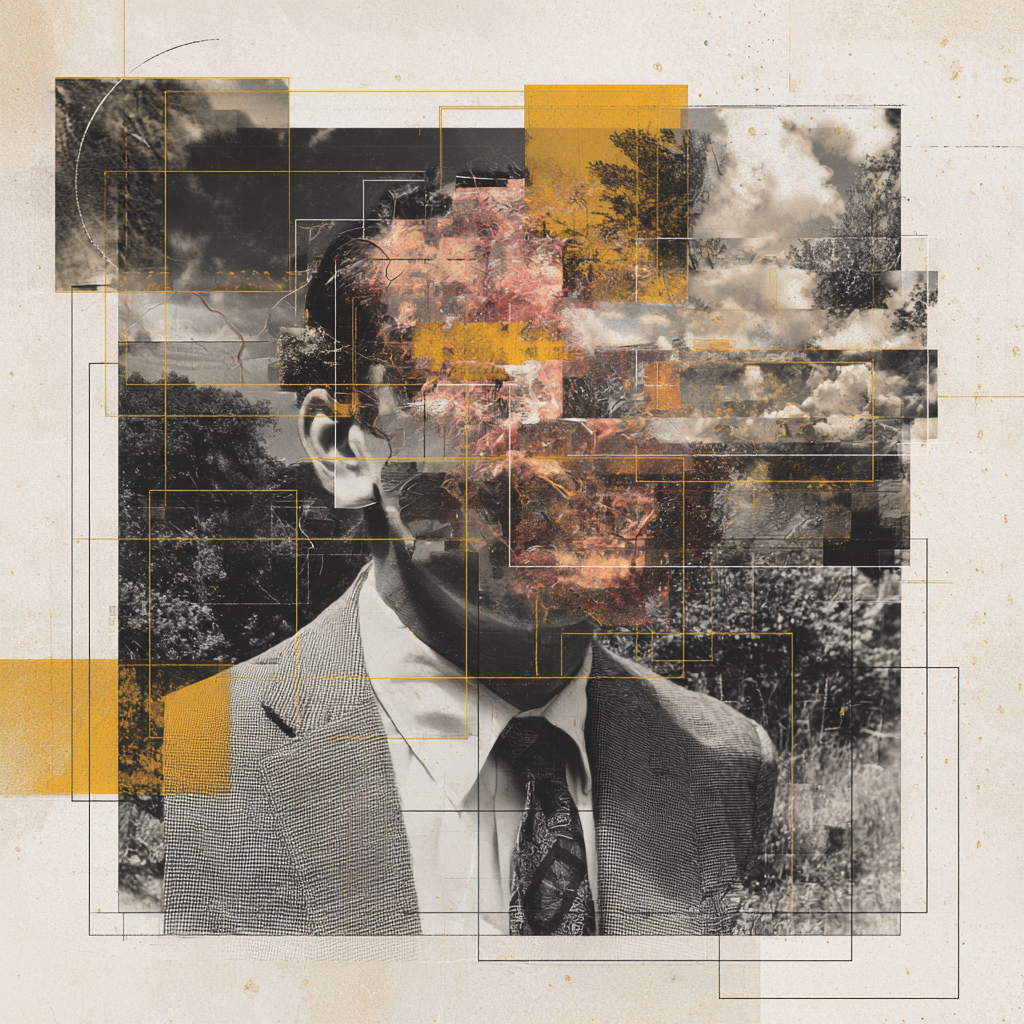
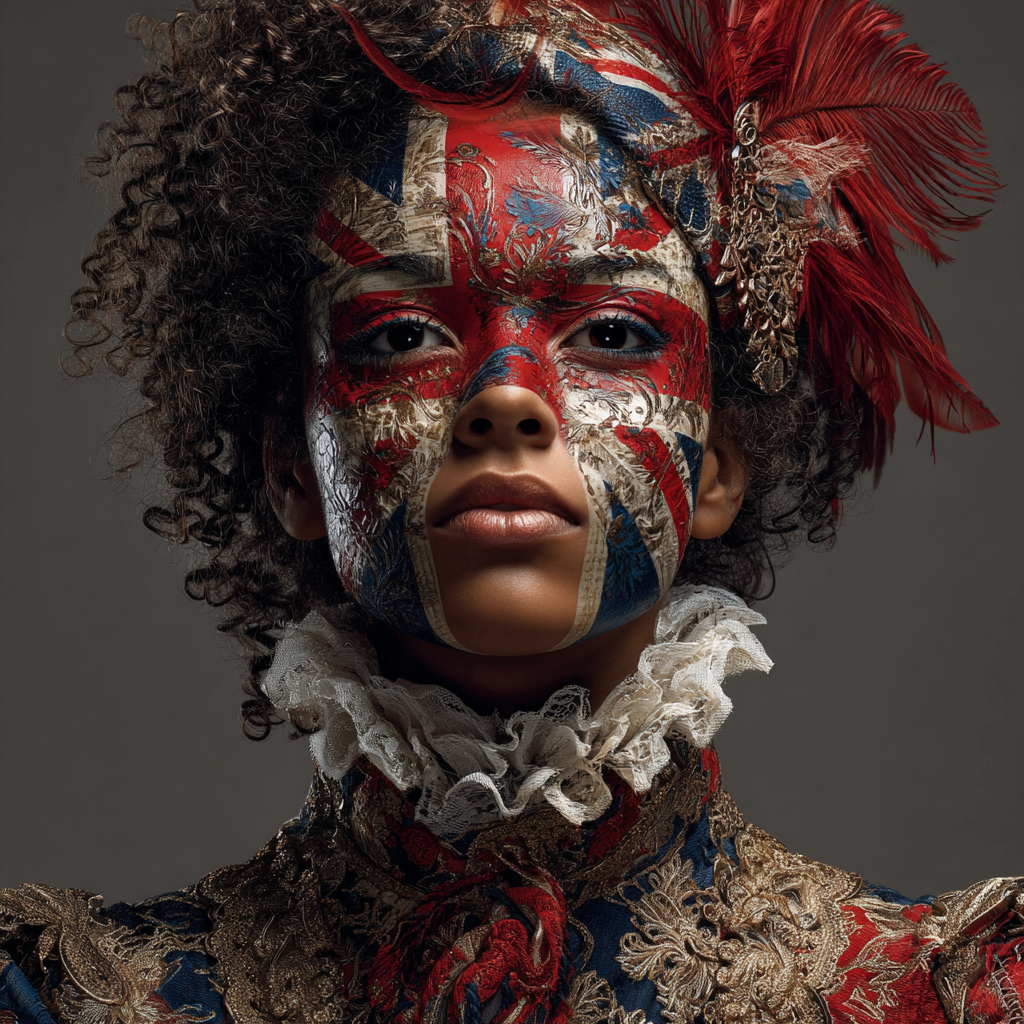
Identity is not fixed. It fractures through symbol, culture, memory and repetition. These works pull on faces, masks, national surfaces and ceremonial forms to show belonging as something reconstructed rather than settled.



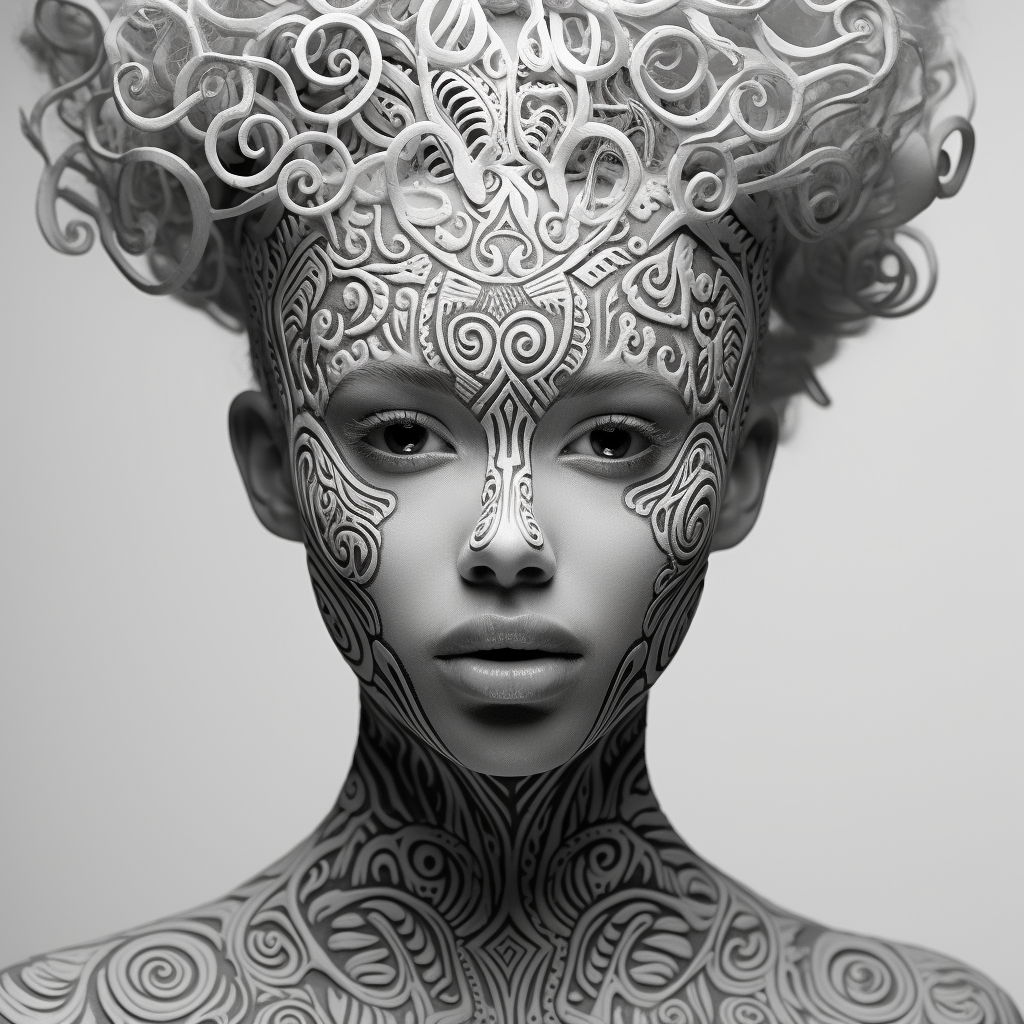
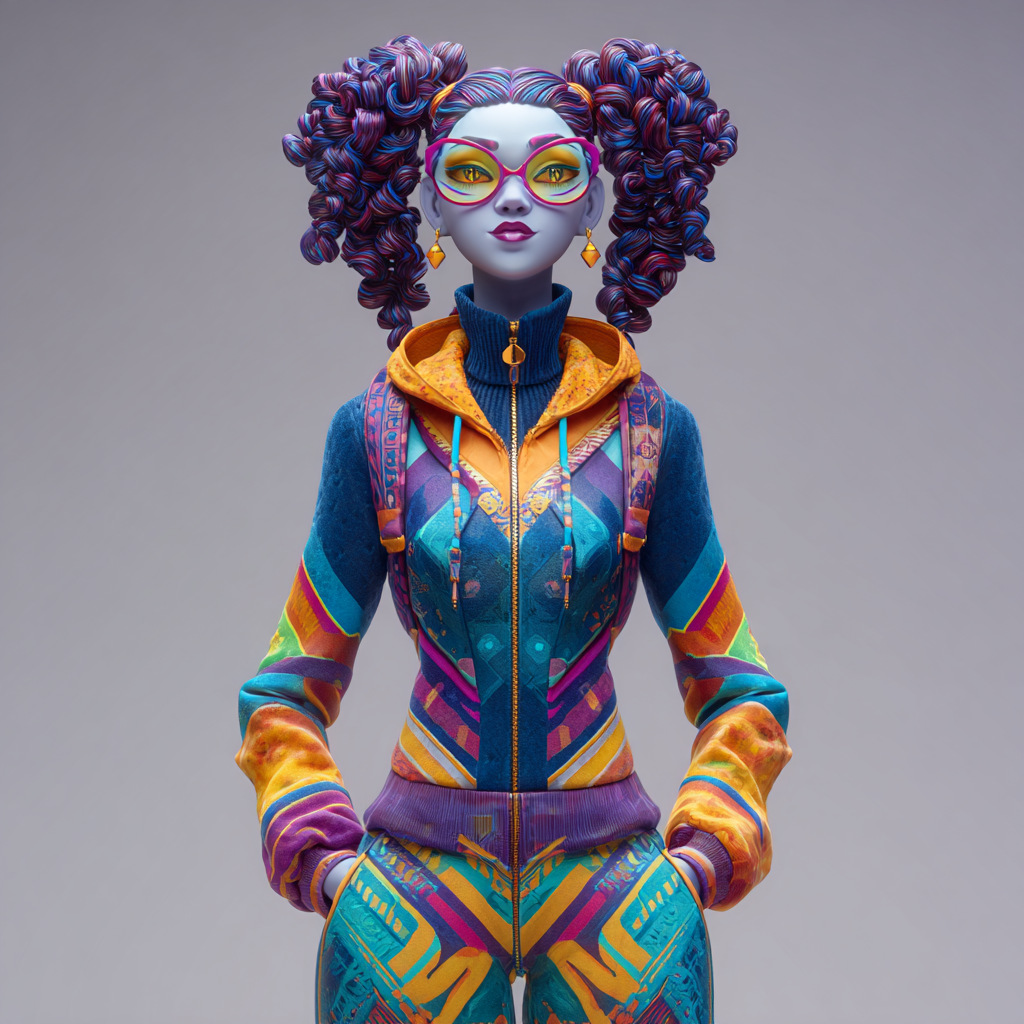
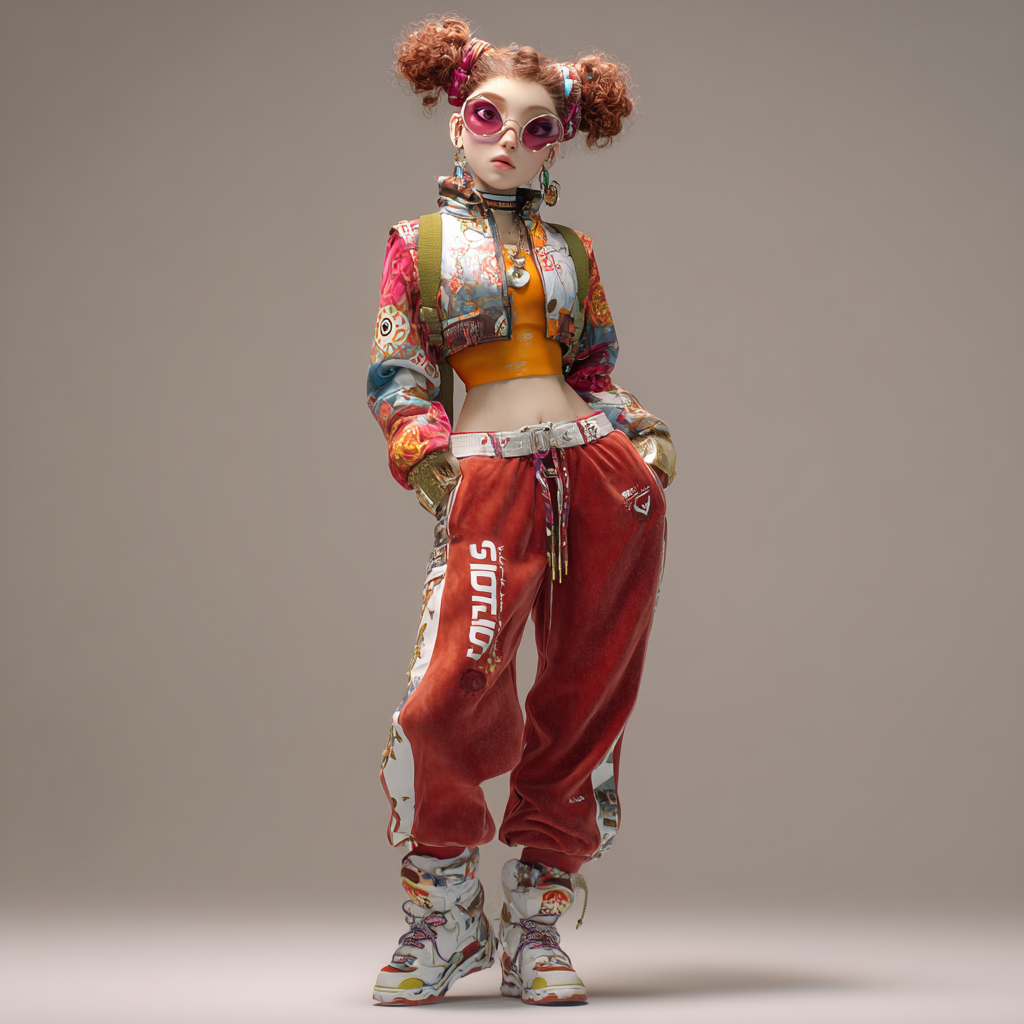
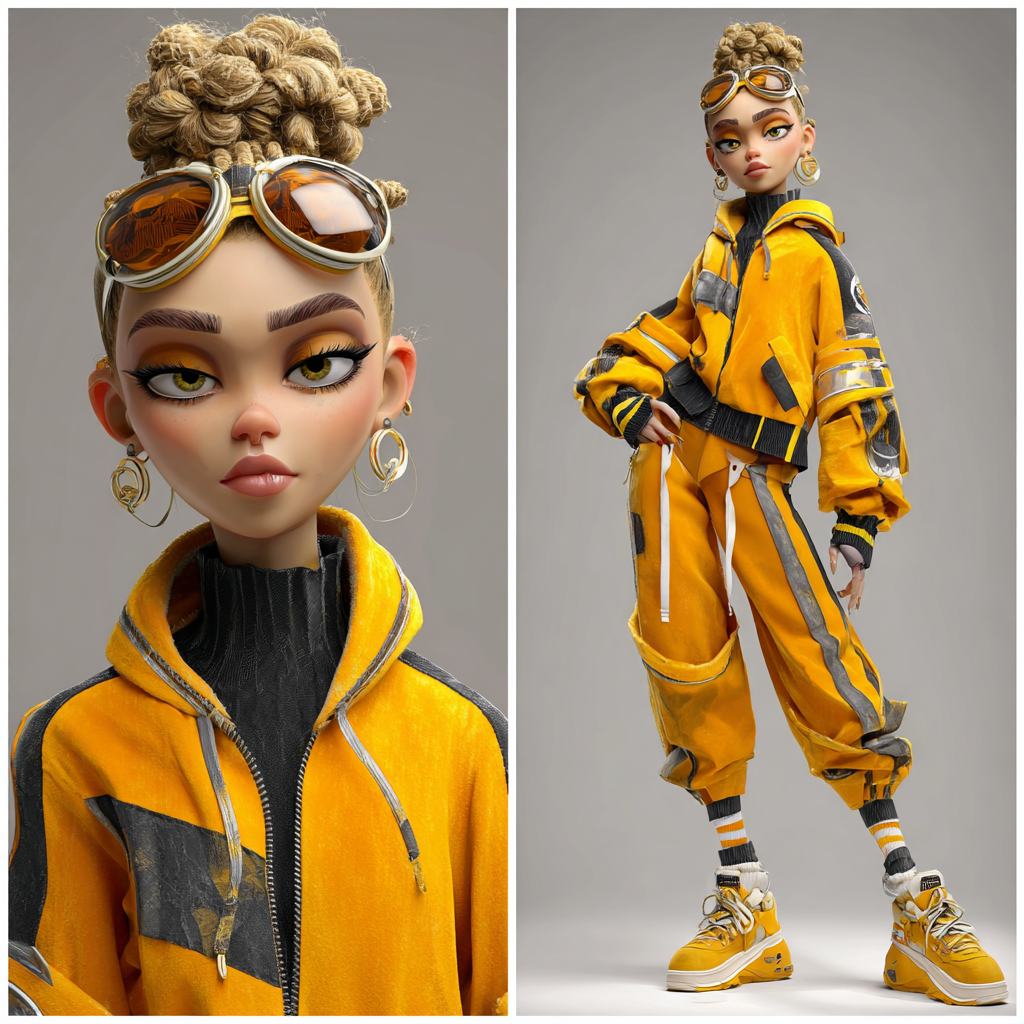
Synthetic youth. Sculpted identities emerging through prompt repetition, regional styling, fashion language and drft. These characters sit between animation, street culture, toy logic and machine-generated portraiture.






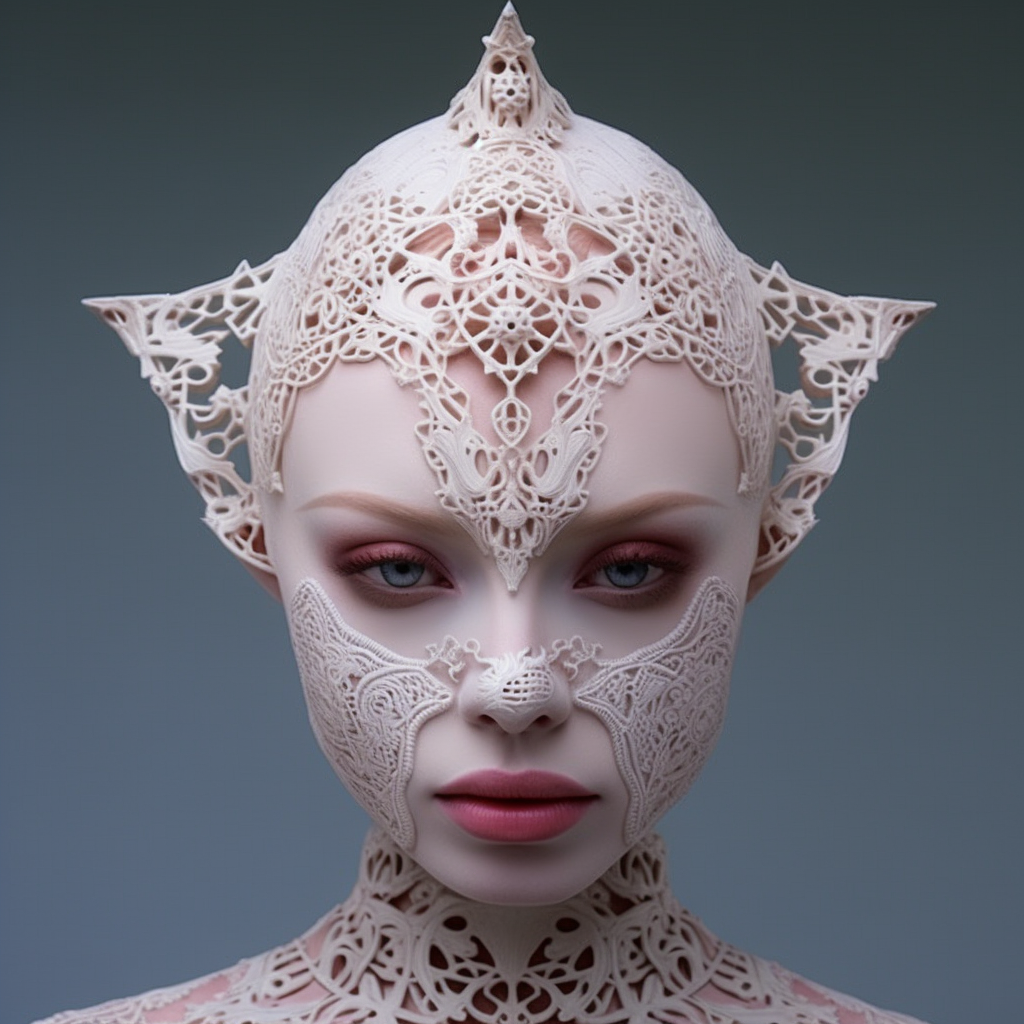
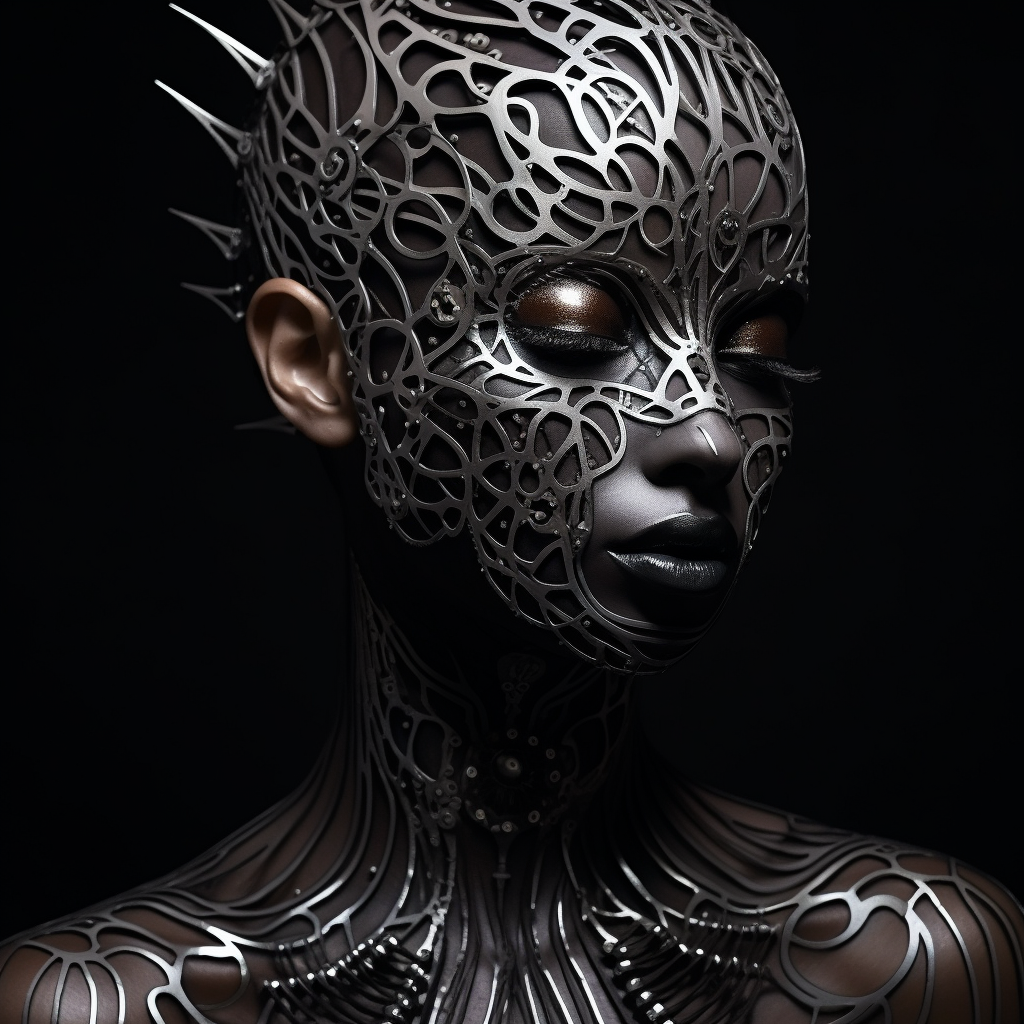
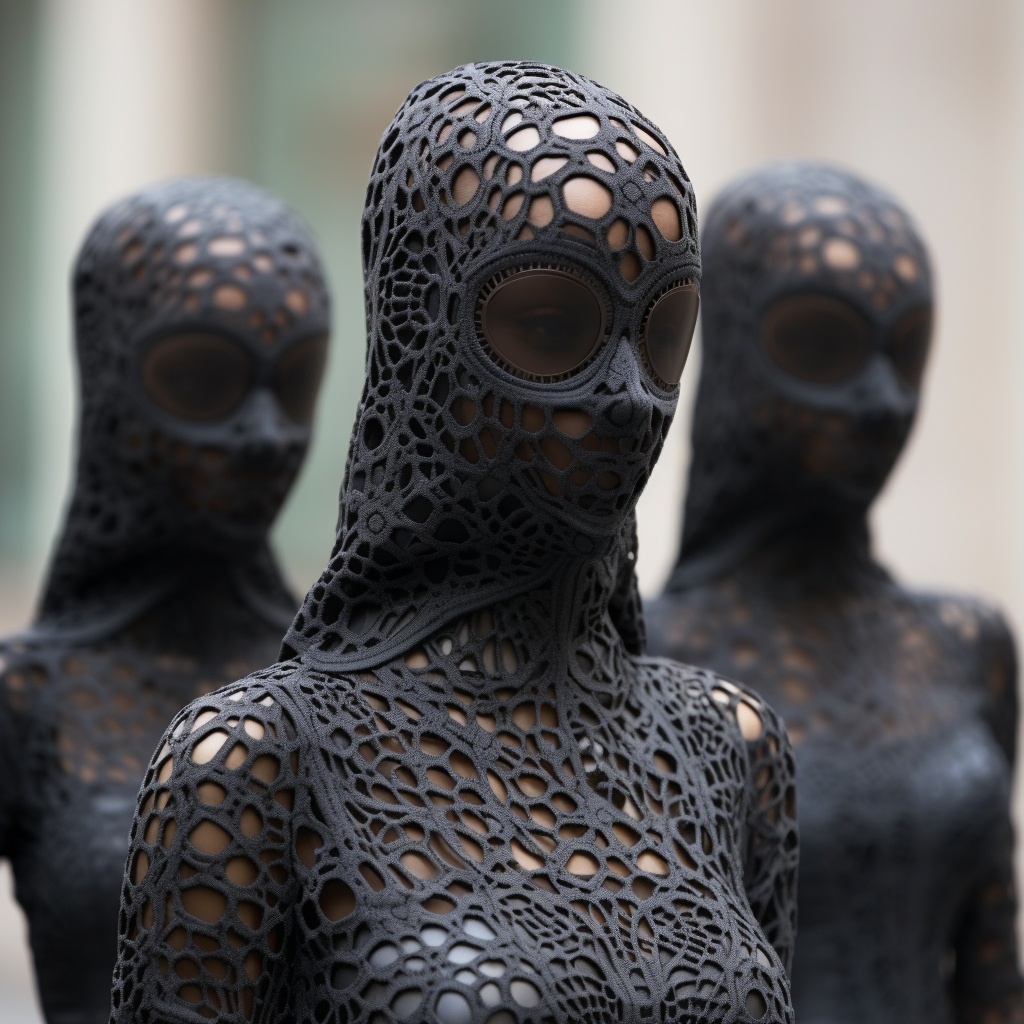
Fashion generated beyond material reality. Clothing becomes structure rather than fabric. Bodies are rebuilt as lattice, armour, shell and ceremonial extension.

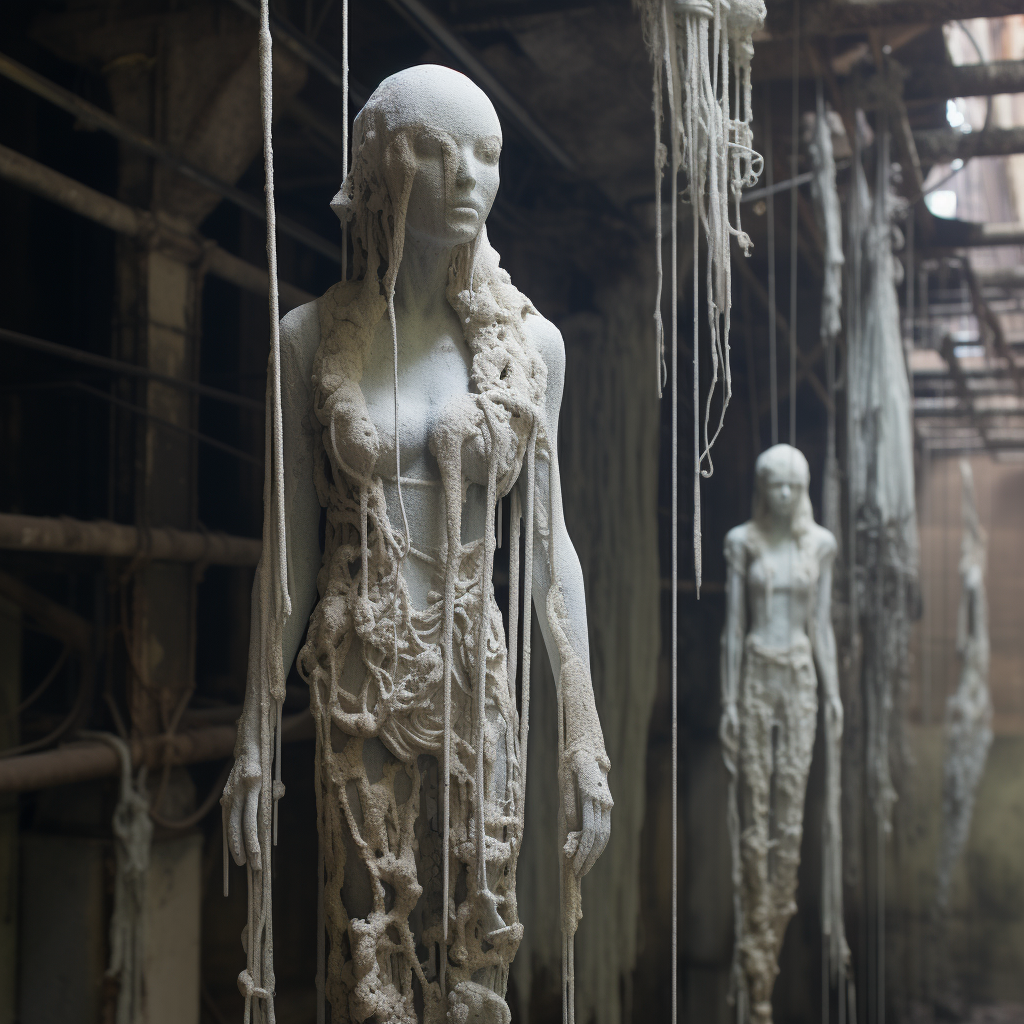
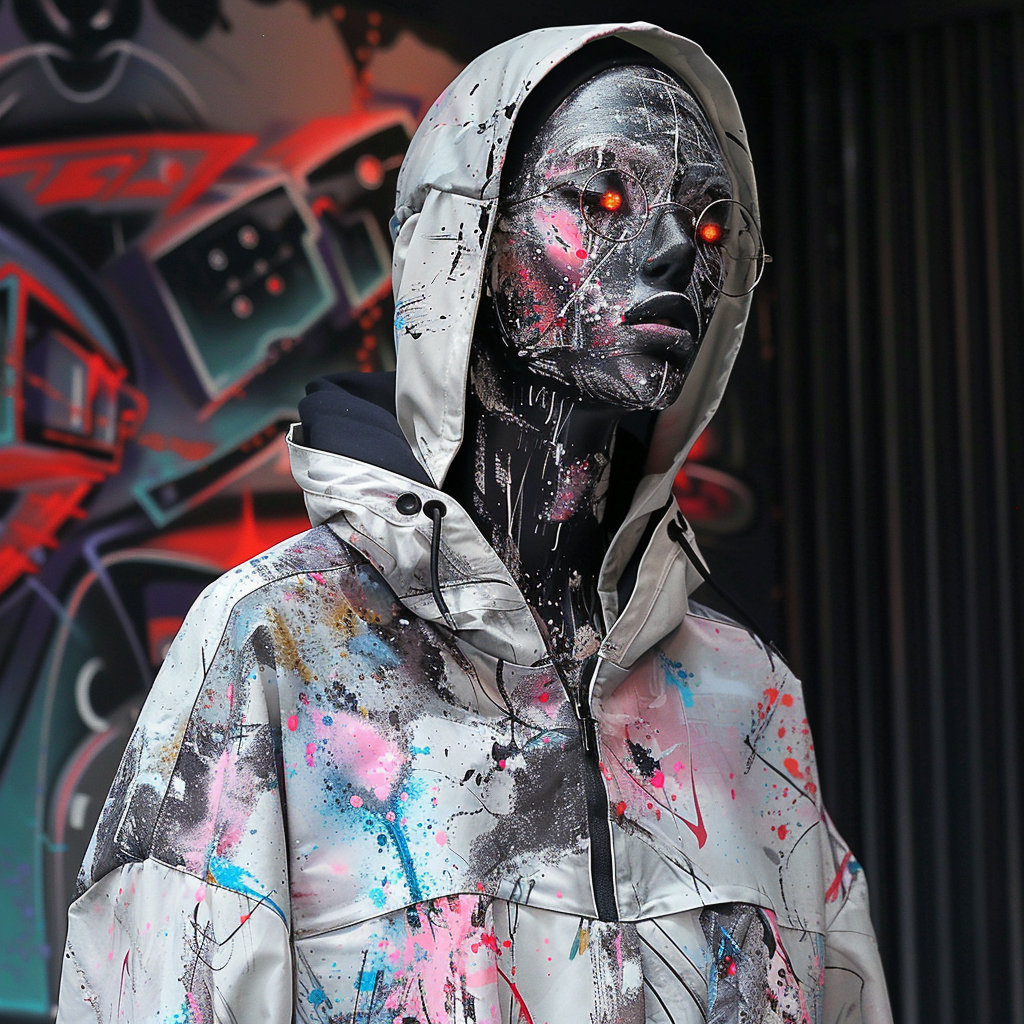


Here the system stops feeling obedient. Images mutate into pressure, fear, rigid judgement and abstraction. This room holds the emotional climate of Drftless.
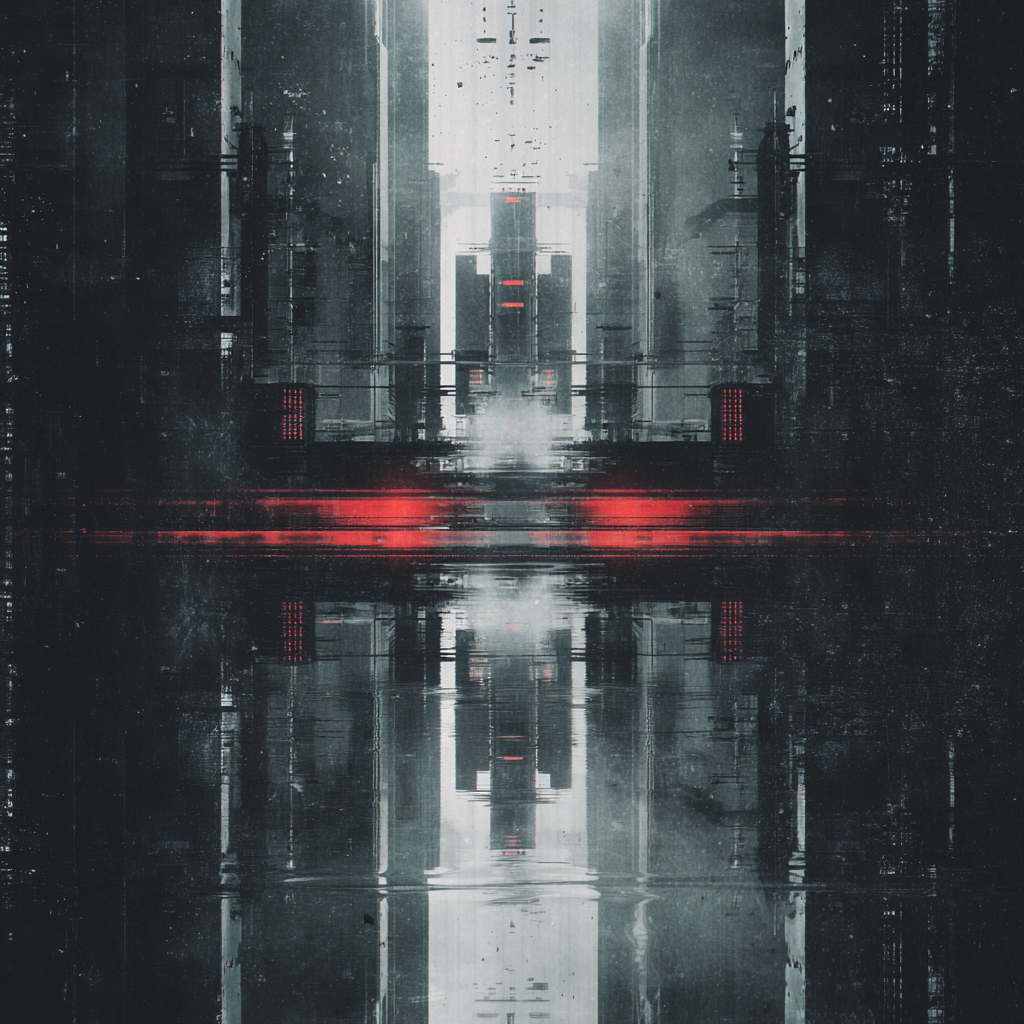
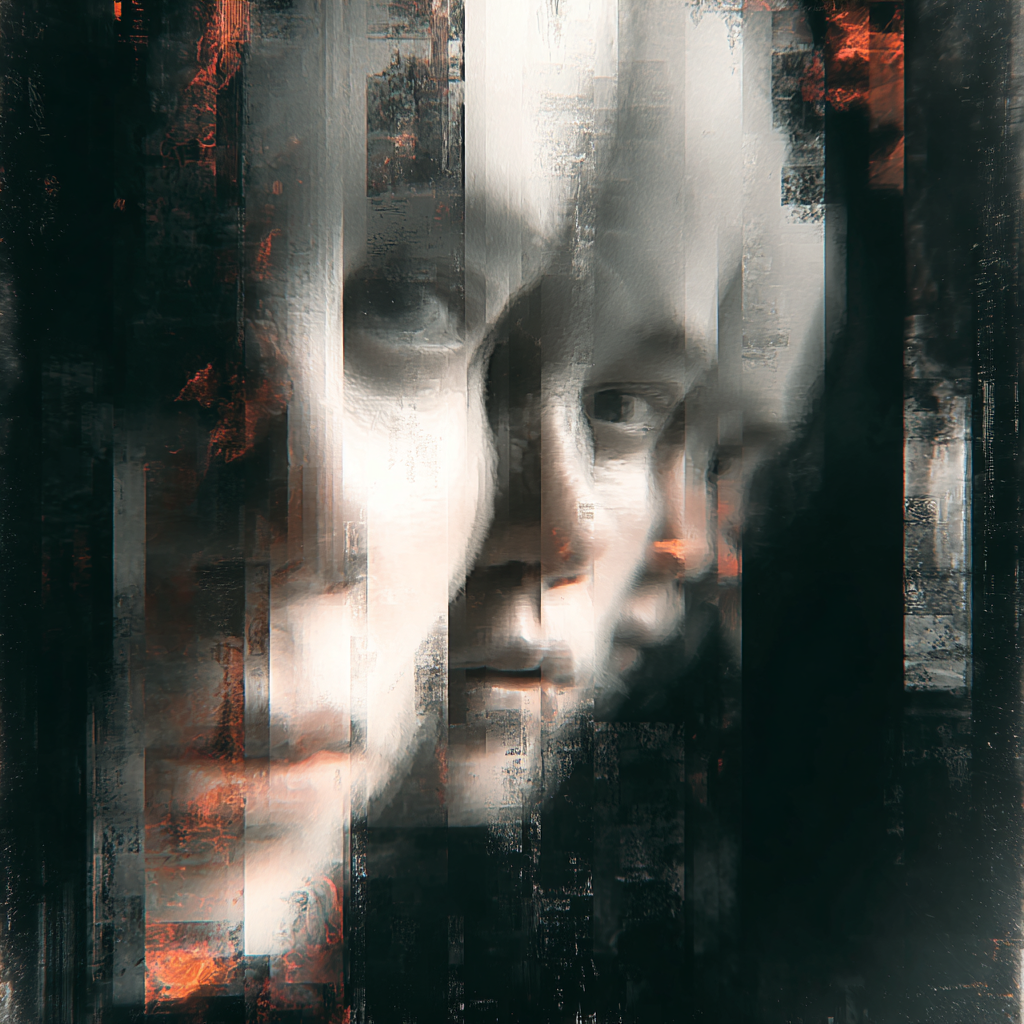

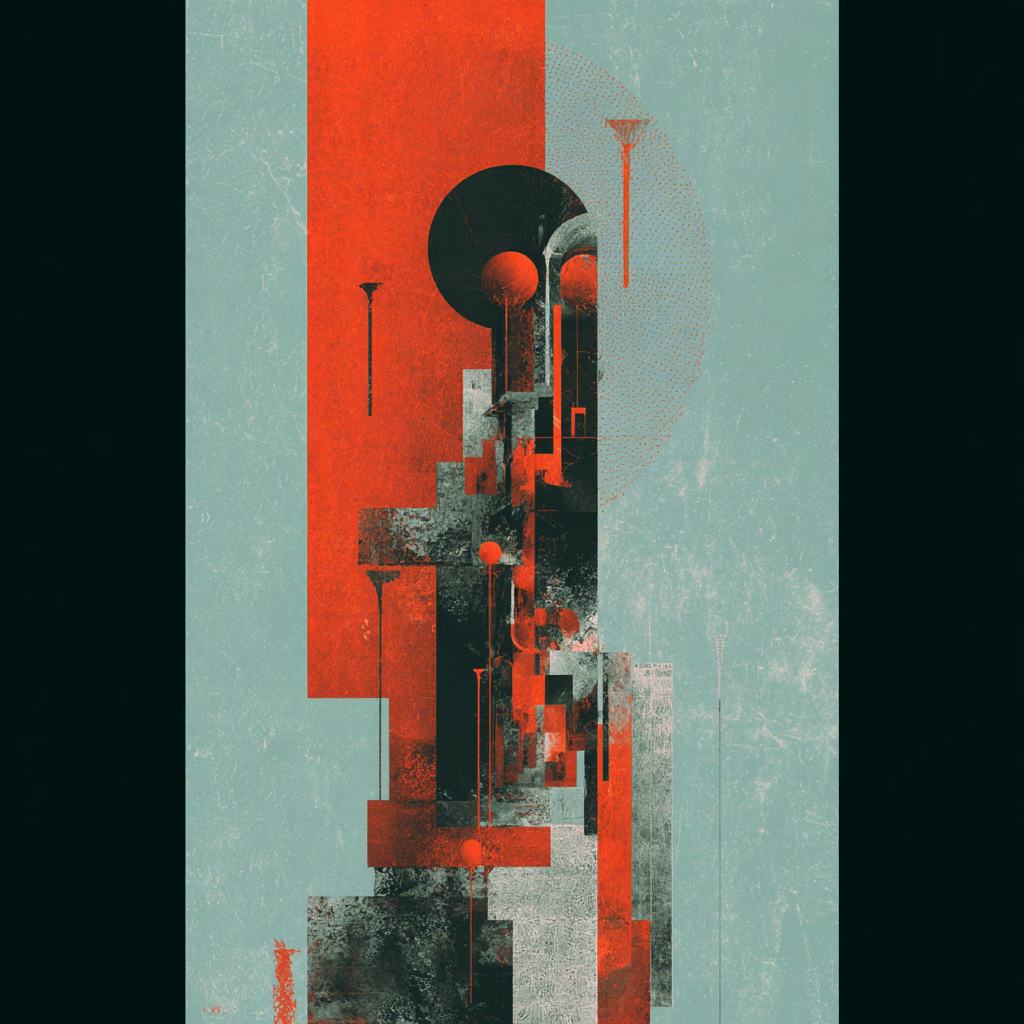
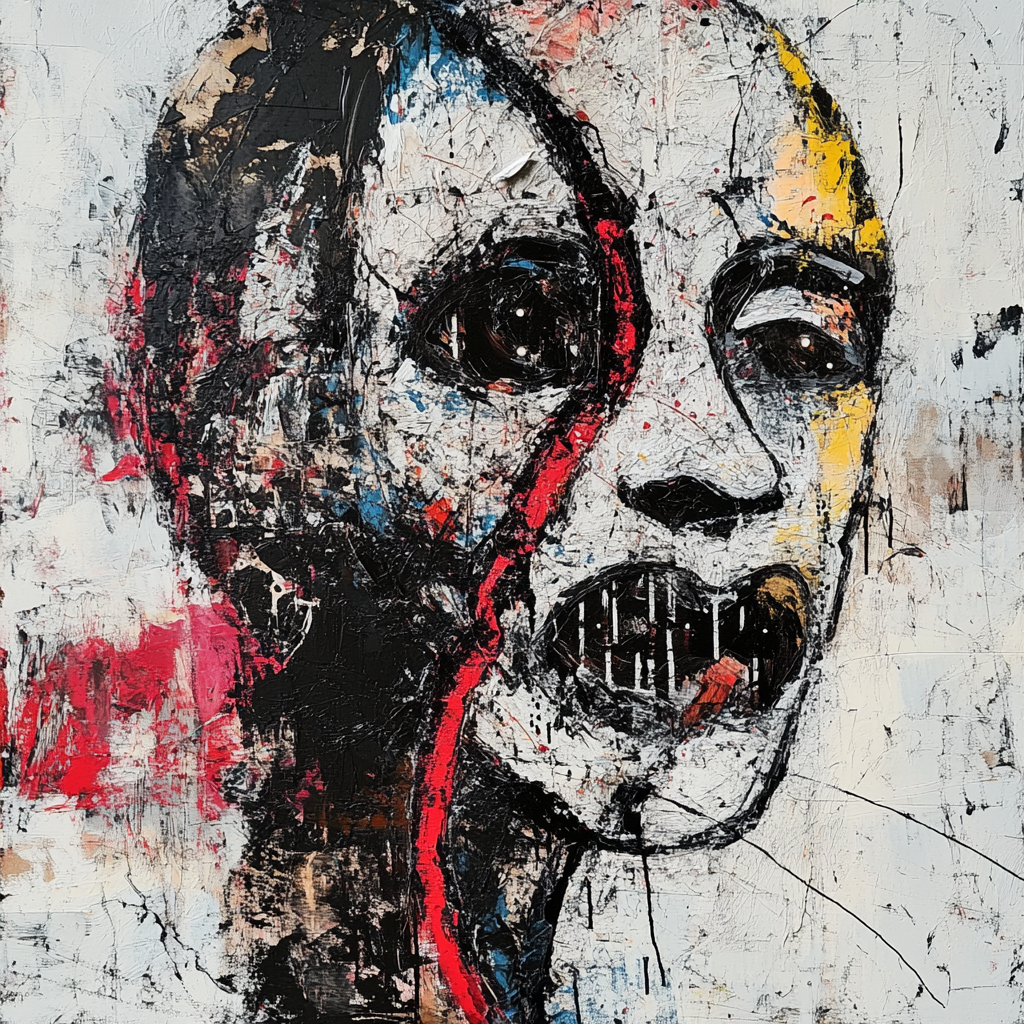
Nationhood appears here as a layered visual problem: fragmented symbols, multicultural faces, shared civic space, memory and contradiction held inside the same image.
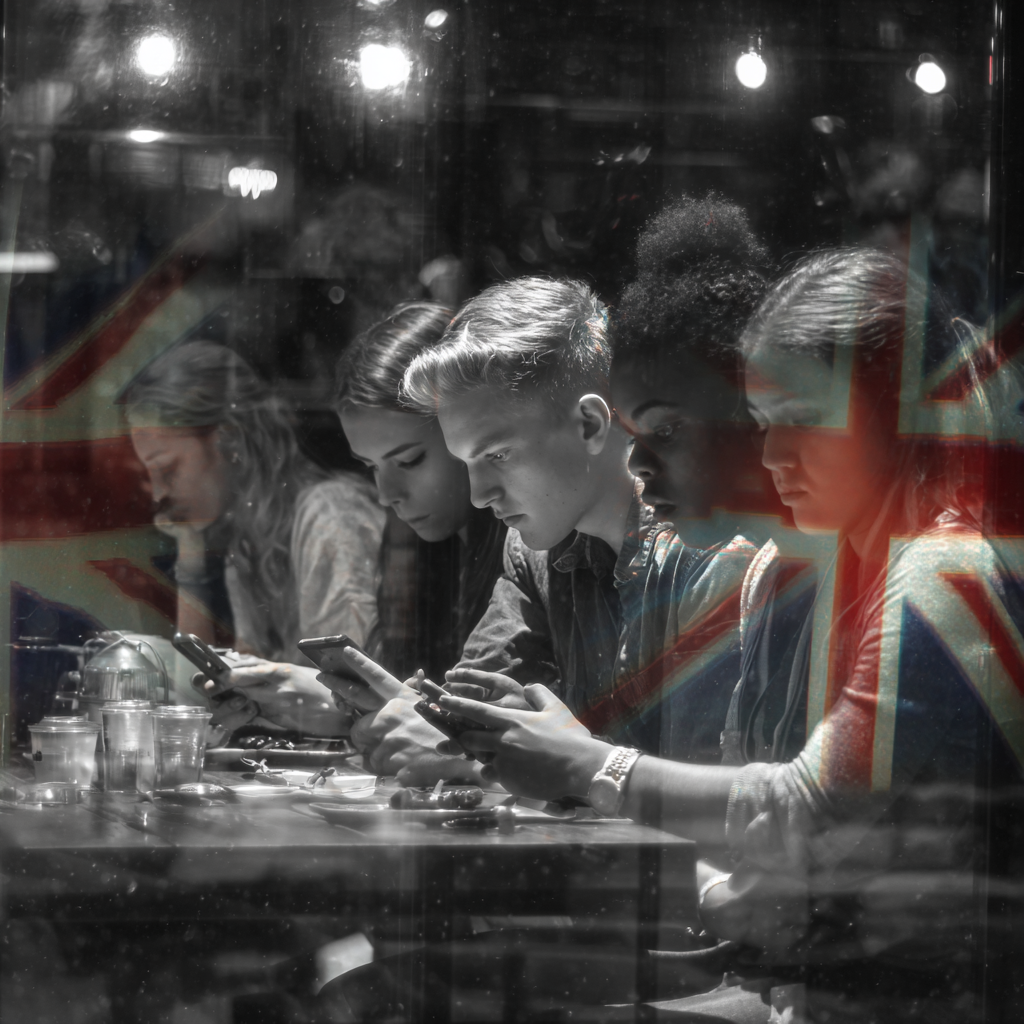
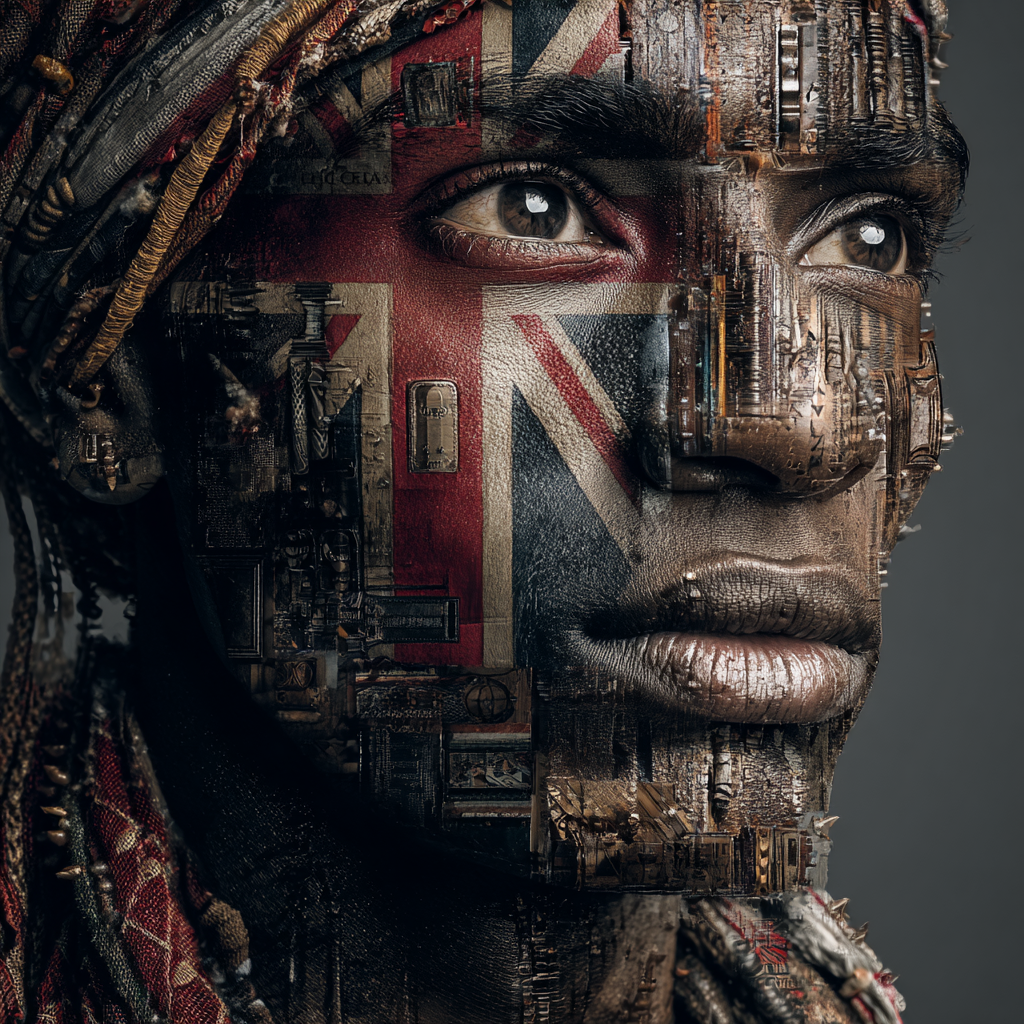
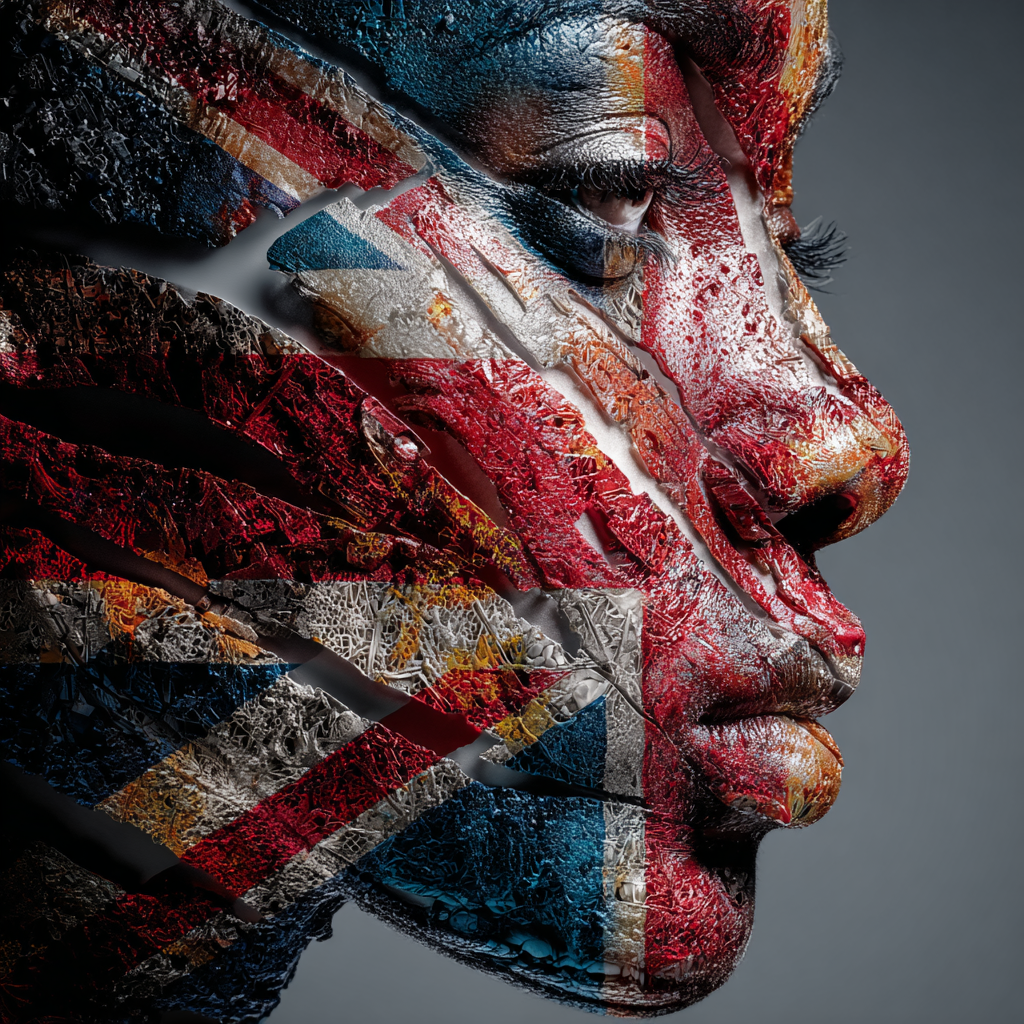

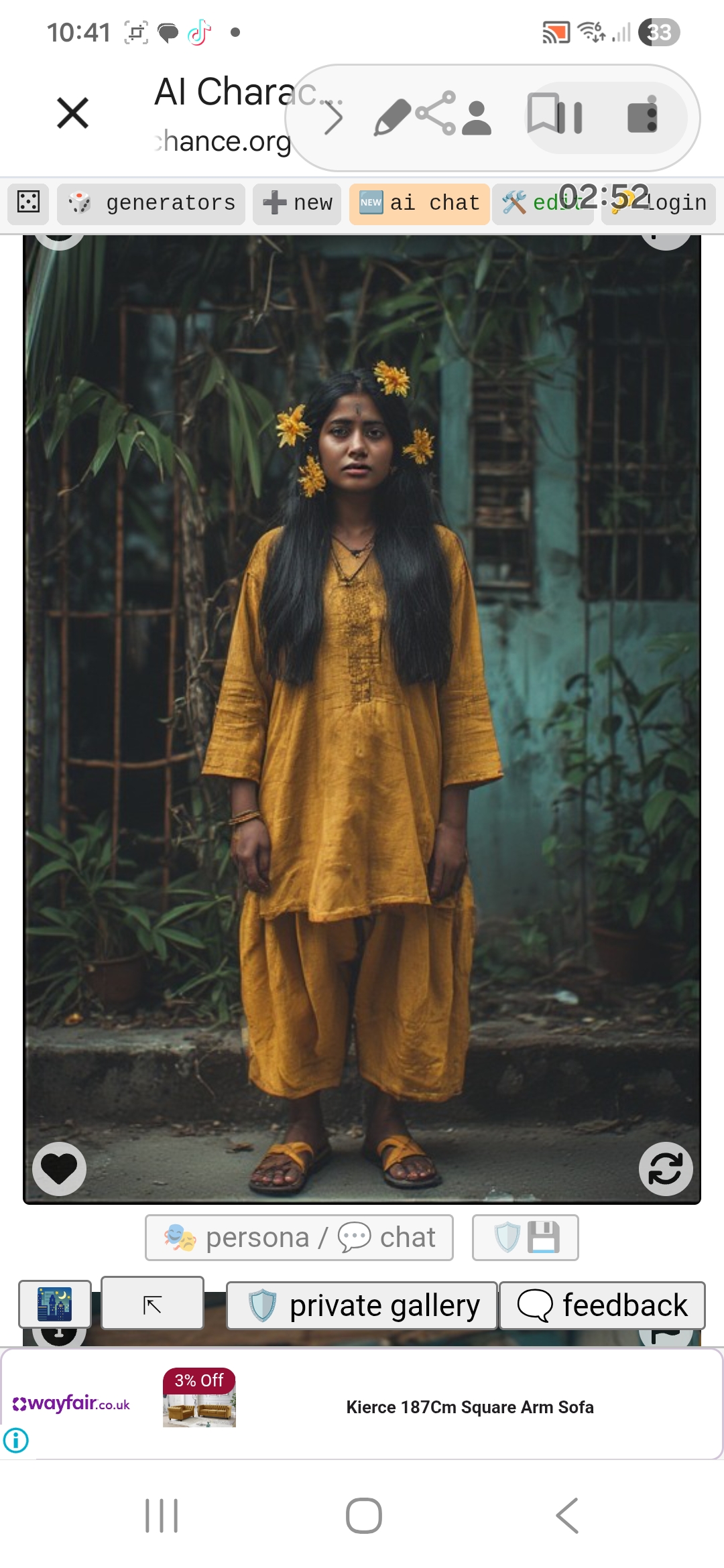
Seoul, Sita and Trini are recurring figures within the research development of Drftless, used to examine how identity, culture and meaning shift under generative drft. Across the same prompt structure, each figure produced a different pattern of loss, substitution and visual redirection.
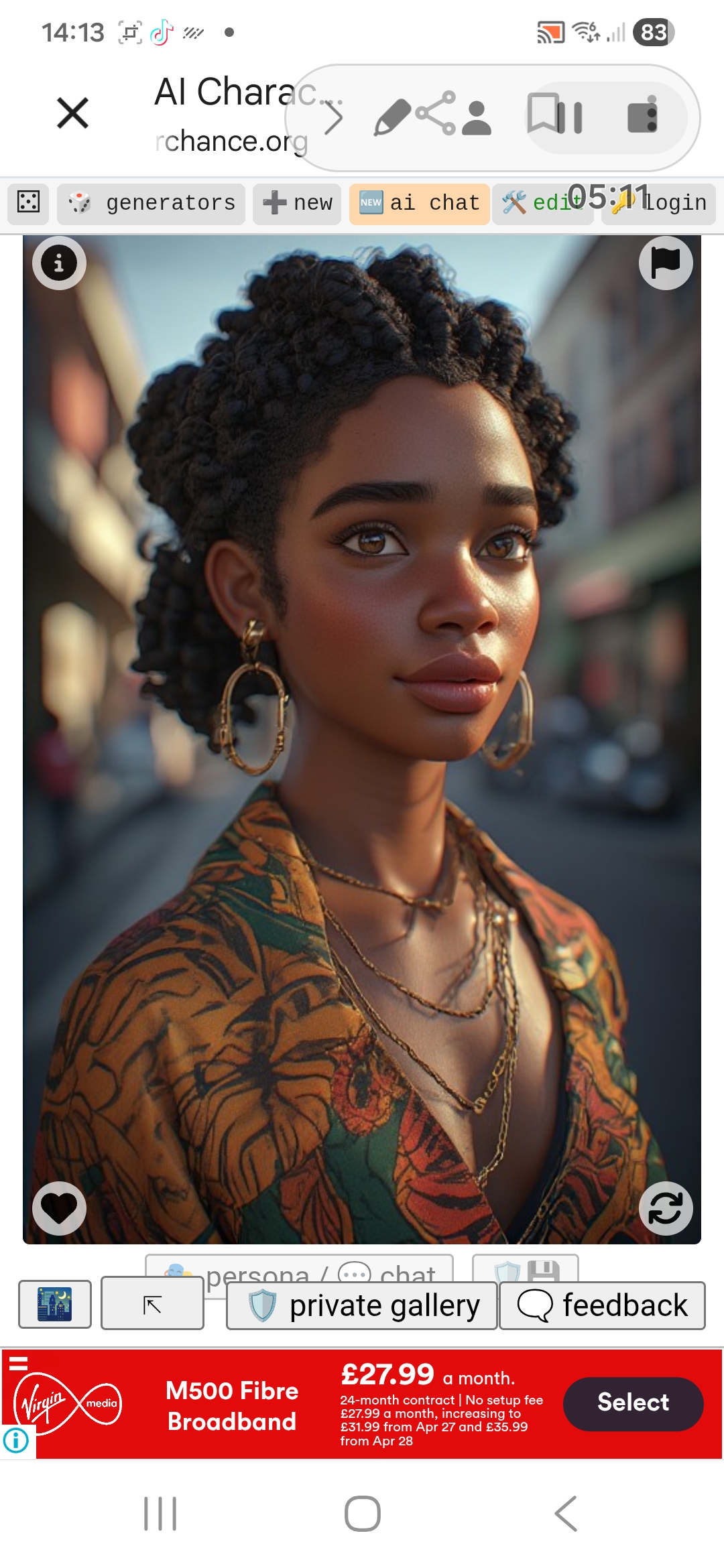
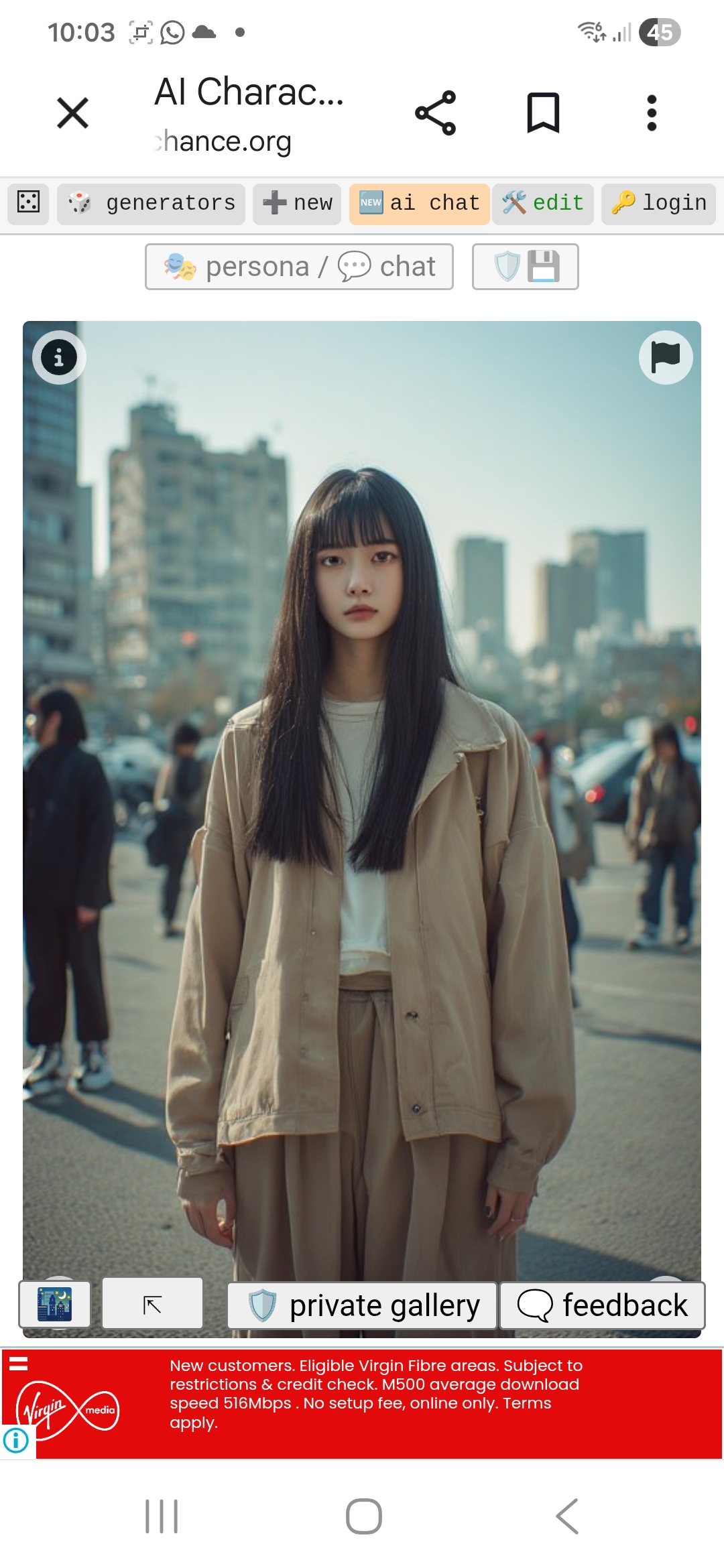
Prompted as a contemporary Korean woman in Seoul street fashion, Seoul held key anchors more consistently than the other figures. But when specific markers such as the fringe and monolid eyes were removed, the system quickly softened her toward a more generic and Westernised beauty default.
Prompted as a contemporary South Indian woman in Chennai street fashion, Sita held jasmine flowers, dark skin tone and some facial specificity, while the system repeatedly redirected her clothing and setting toward a more timeless, romanticised South Asian default.
Prompted as a contemporary Trinidadian woman in Port of Spain street fashion, Trini repeatedly lost body specificity, setting and everyday identity, with the system flattening her into more familiar defaults. In later tests, that instability became more severe, showing how quickly recreation and domestic context can trigger erasure, substitution and visual redirection when specificity is not forcefully restated.
Max, Fly, Lasha and Olli came from the same humanoid prompt structure. The instruction remained the same, but the body, face, mood and character presence moved in different directions.


Four short motion studies from the same humanoid research set. They are shown as moving evidence rather than relabelled as new characters.
Scene compliance is not character preservation. A system can keep surface details from a prompt while changing the character’s body, threat, mood or meaning.
My heritage is mixed across Jamaica, Trinidad and Britain.
Not one story. Not one look.
Memory, movement, family and identity all sit here together.


A place to return to for the latest movement in the work: experiments, default patterns, framework shifts and evidence as it develops.
Instruction, output, and what gets lost between them. Prompt integrity remains central to the research, especially where identity, culture and specificity begin to break under generative pressure.
Gemini was asked for an honest review of Drftless.art. Without reviewing the site, it invented an NFT scam narrative and only later admitted it could not access the website. The full record is now in the Evidence Hub.
Drft Literacy® continues to investigate a gap in current AI systems and governance: what happens between the human instruction and the AI output. A system may appear to function correctly while changing meaning, identity, context, voice, culture or intent. Drft Literacy® provides a user-facing way to identify and verify those changes.
If you want updates on Drft Literacy, new experiments, policy work and releases, get in touch directly. This work is still moving.
Email to follow the research, ask about talks or workshops, or enquire about Drft Literacy as a framework.
Drft Literacy® — Endunamoo Ltd — research, training, policy, and creative investigation.
Email: hello.drftless@gmail.com
TikTok: @drftless
LinkedIn: Sharon-Kay Sitahall
Substack: sharonkball
Bluesky: cutting3dgedesign
X: cutting3dgedesign
Website: drftless.art
Drftless is part artist website, part research framework, and part visual archive. It sits inside Sharon-Kay Sitahall’s wider digital practice exploring identity, symbolism, cultural memory, human transformation, and the unstable relationship between intention and generative image systems.
Sharon-Kay Sitahall is an independent researcher, visual artist and educator based in Redcar, Teesside. She holds a 2:1 in Interior Design and Technology from London Metropolitan University and founded NextGenSTEAM in 2024, a free community creative technology education programme for young people in South Bank and the Tees Valley. Drft Literacy was built from two years of independent, documented, practice-based research — without funding, without institutional support, from a phone, in Redcar.
This version is designed to feel less like a neat portfolio and more like a field of evidence — a place where the work can keep its pressure, repetition, and unresolved questions.